
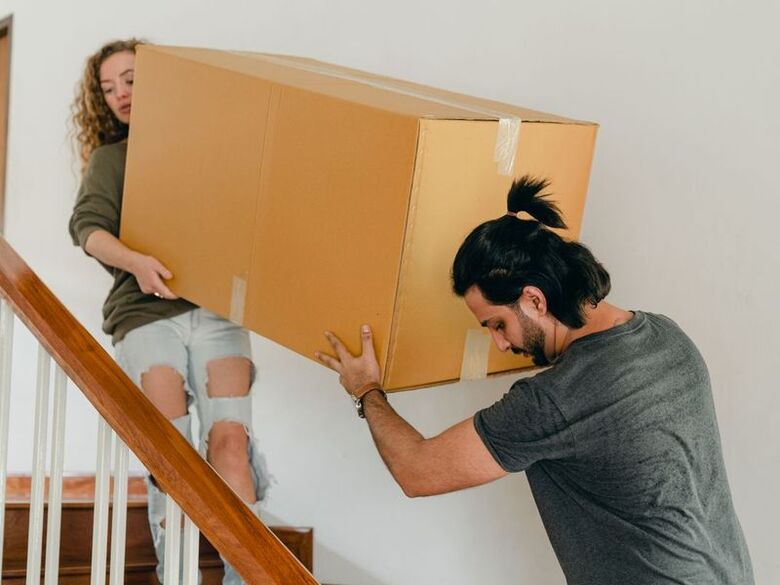
The South End is a gem to live in and a genuine head-scratcher to move into. Everything that earns the neighborhood its postcard reputation, the slim one-way lanes, the houses raised in the 1700s and 1800s that sit flush against the sidewalk, the steep little antique stairways, is also exactly what asks a moving day to become a skilled trade rather than simple labor. You will not find a driveway to reverse into, and seldom a gap broad enough to leave a truck idling. The interior staircases were framed generations before a sectional sofa was ever a thing. And the spots out front fill with summer visitors well before noon. Cole Bennett was raised on these very lanes and has handled their homes through every year Smart Move has run, so by the time our crew rolls up to your steps they have already mapped the corner your couch is going to fight. Below is what makes a South End job different, and the way we land your belongings inside without a mark.
What Sets a South End Job Apart
This pocket of Portsmouth was built for a much older century, and just about every one of its quirks announces itself the day the truck arrives. The elements that govern how it goes:
- Steps right at the sidewalk. Plenty of these homes meet the lane with a short flight of stone or wood treads up from the street, so every item climbs before it ever reaches the threshold. Fallen leaves in autumn and a sheet of ice in winter put these treads at the top of our crew’s checklist.
- Tight, sharp-pitched antique stairs. The flight up to the bedrooms is commonly steep, with a cramped turn at the landing, and that turn is precisely where a bulky mattress or a bureau gets tilted just right or comes apart.
- No driveway, narrow lanes. Out front on the street is the only place a truck can sit, which is why securing a spot on the lane carries so much weight down here.
- Visitors at the curb. From May through foliage season, the parking near Marcy Street, Strawbery Banke, and Prescott Park clogs with tourists, so a space that is wide open at sunrise has vanished by mid-morning.
Reading the Different Corners of the Coast
No two Seacoast addresses behave the same way, so our leads survey the particulars before the booking. Here are some of the situations we run into often:
| Area | What Makes It Tricky | Our Approach |
|---|---|---|
| South End, Portsmouth | Slim lanes, sidewalk treads, zero driveways | Curb locked early, short relays, ramps at the steps |
| Downtown & Portwalk | Brick blocks, condo lifts, jammed curbs | Booked elevator window, COI on file, room-by-room staging |
| Exeter colonials | Pitched clapboard flights, original woodwork | Legs-off teardown, tread runners, paired carries |
| Newmarket mill lofts | Freight lifts, long interior runs | Lift reserved, skates and dollies, extra hands |
One thread ties all of them together: the building writes the playbook, and we read it backward. Our leads survey each address beforehand, set the truck where the carry comes out shortest, and bring exactly the headcount that the weight and the stairway honestly call for.
When the Truck Will Not Reach the Steps
On the most pinched streets, a South End lane jammed bumper to bumper or a one-way block with no gap at the curb, even a 26-footer will not always slot in cleanly by the door. That is the moment for a shuttle. We set the rig down at the nearest legal spot, perhaps a couple of lanes over or beside the parking garage, then ferry your things up to the house using a compact van, or a chain of dollies worked off a held curb space. It costs a little time, yet it spares the lane a blockage and spares your furniture a long, weather-exposed trek. We fold the whole arrangement into the estimate, so it lands as no surprise on the day. Locking the curb early, ahead of the visitor crush, is honestly half the work on a South End job.
Guarding an Old House Through the Move
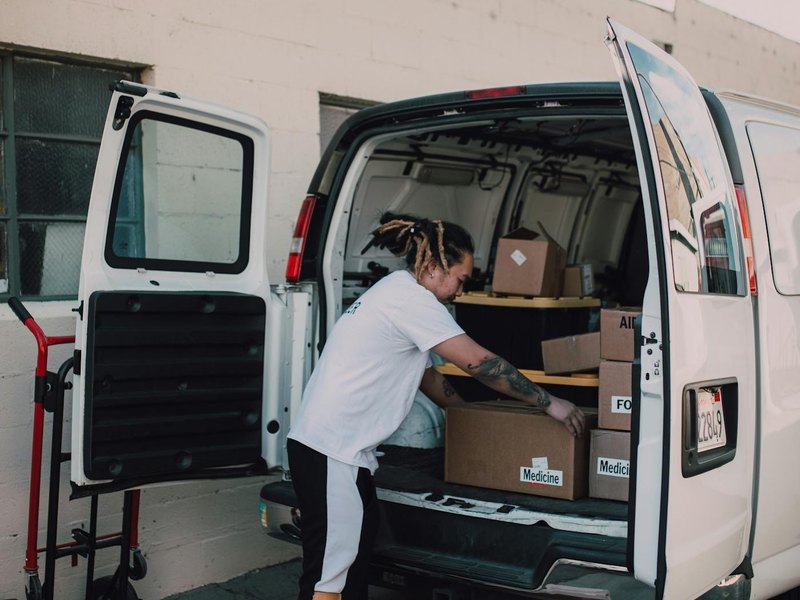
Homes like these carry plaster walls, original casing, and stair treads worth preserving, so we lay the protection down before a single box crosses the sill. The order of operations on a South End job:
- Shield the route first. Runners over the old floorboards, padding around the newel and the casings, corner guards on the sharpest pivots, all in place before anything shifts.
- Strip down the awkward pieces. Bed frames, dining legs, and anything too wide for the snuggest pivot get broken down at the outset and reassembled once they are upstairs, so nothing has to lean on a wall going up.
- Lift in pairs. On the front treads and the inside flight, one mover carries the weight from below while a second guides from the top, both in sync so a heavy piece is held steady the whole way up.
- Drop boxes by room. Cartons go straight to where they belong instead of piling in the entry, leaving the house ready to live in the second we drive off.
Setting Yourself Up for the Day
A small amount of preparation on your side makes the whole job quicker and lighter on cost. Before we roll up:
- Settle the curb early, ahead of the summer visitors filling the lane, or let us arrange the truck spot and the shuttle so the haul stays short
- Size up your biggest items against the front entrance, the tightest inside pivot, and the width of the stairwell
- Clear the treads and the entry of planters, doormats, and any other trip hazards, and treat any ice in winter
- Mark each carton with its destination room so the crew can run it straight to the correct floor and skip the entryway pile
I came up carrying furniture up South End steps, and an old Portsmouth house is still the job that earns my full respect. The entrance is rarely what beats you; it is the corner waiting just inside and the flight past it, plus a lane with nowhere to park the truck once the visitors roll in. So we read the house first, lock the curb early, shield the woodwork, and take the heavy pieces apart. Do that, and a place put up in the 1700s takes a whole truckload and never shows a mark. Hiring a crew that already knows these lanes is the smart move. — Cole Bennett, owner
Smart Move is a licensed and insured mover with US DOT and MC authority, operating across New Hampshire, Maine, and Massachusetts, carrying $1M cargo coverage, running its own crews and trucks from Portsmouth near the Pease Tradeport with nothing subcontracted. We take on historic homes, downtown condos, mill lofts, and offices, and we time the curb as part of the work. See how a house move runs on the local moving page, flats and condos on the apartment moving page, and our towns on the service areas page.
Frequently Asked Questions
How do you get furniture into a tight South End historic home?
We survey the front treads, the entrance, and the sharpest inside pivot first, shield the floors and woodwork, then strip the broad pieces down so nothing leans on a wall going up. Items ride up in pairs on the steps and the flight, and land straight in whichever room is theirs.
What if the truck will not fit on my Portsmouth lane?
On a pinched one-way South End lane or a block parked solid, we park the rig at the nearest legal spot and ferry your things up to the entrance using a compact van, or a dolly chain worked off a held curb space. We map this out at the estimate, so the day brings no surprises.
Can you manage the steep antique stairs in a 1700s or 1800s house?
Absolutely, all the time across the South End and over in Exeter. The flights run steep and slim with cramped landing turns, so we work in short controlled lifts, take legs off whenever a tight pivot calls for it, and guard every tread. Check your biggest items against the stairwell ahead of time and flag whatever looks oversized.
Is parking a headache for a summer South End move?
It can be, since the spaces near Marcy Street and Prescott Park clog with tourists by mid-morning. We lock the curb early or stage the truck nearby and shuttle up, keeping the haul short. Sorting the spot in advance is the single biggest factor in keeping a summer South End job fast.
How do you keep old floors and woodwork safe during a move?
Runners go over the floorboards, padding wraps the newel and casings, and corner guards cover the sharpest pivots before any carton comes through. Wide items are taken apart so nothing rubs a wall, and a heavy load is kept steady on every step of the flight.
Headed for a South End Home? Let Us Map It Out
Tell us the lane, the floor, the front steps, and your biggest pieces, and we will survey the stairs, lock the curb, and send a written flat figure. Your old Portsmouth home gets a crew that treats it with the care it has earned.